
Over the past year, nearly every leadership conversation has shifted toward artificial intelligence.
How will we use it? Which tools should we adopt? How quickly can we implement them? Who needs training?
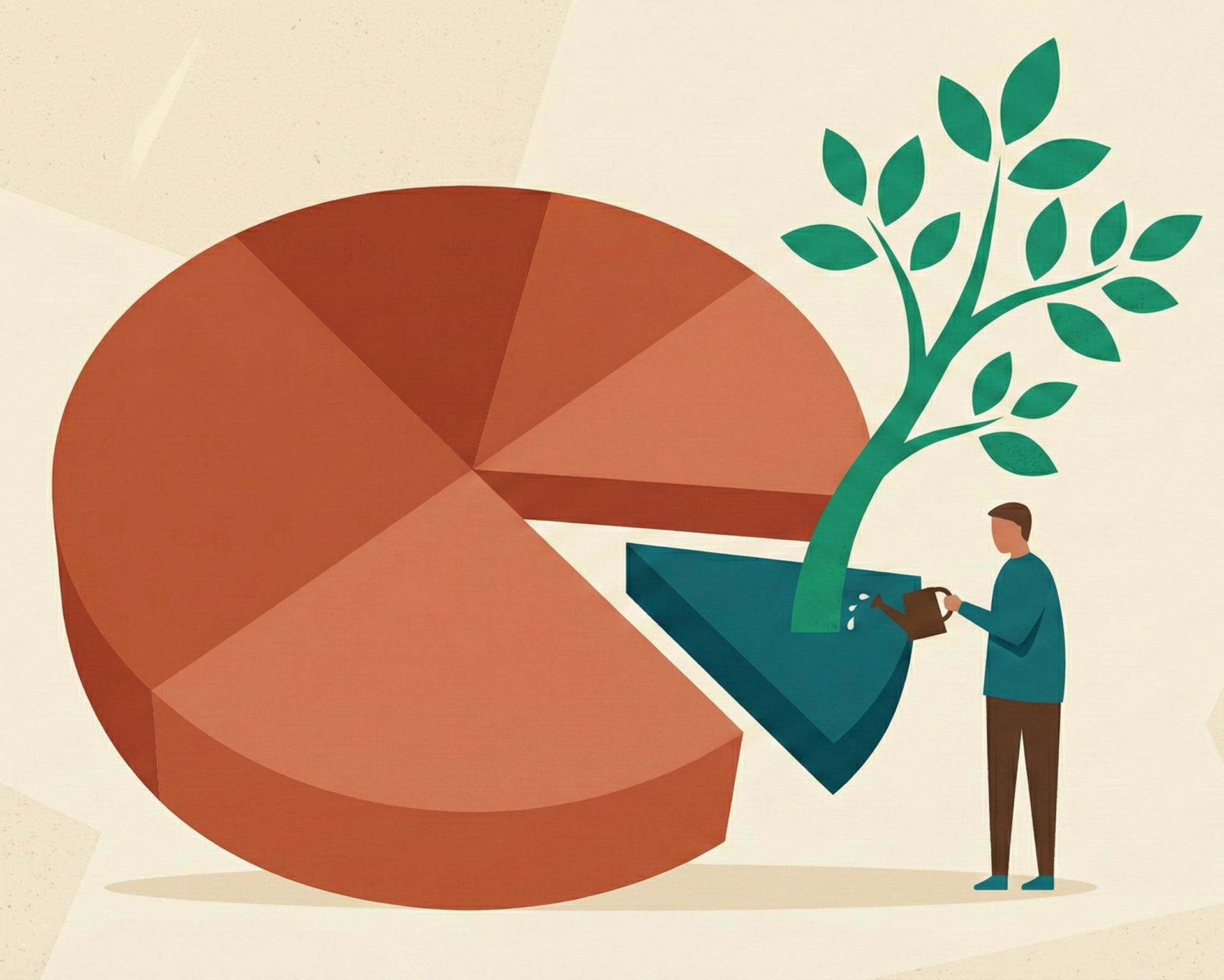
Organizations are investing millions to answer those questions.
They're redesigning workflows, experimenting with new technologies, and asking employees to work in entirely new ways.
But there's another question that receives far less attention.
How are we helping people adapt?
AI is changing more than technology. It's changing what it means to work.
Project managers are building applications. Sales teams are creating marketing assets. HR professionals are using AI to write policies and analyze employee data. Employees are being asked to reinvent parts of their jobs faster than ever before.
That's exciting.
It's also demanding.
Every wave of technological change raises expectations. Employees are expected to learn continuously, experiment confidently, make good judgments, collaborate across changing roles, and adapt to new ways of working almost overnight.
The challenge isn't simply learning new software.
It's navigating constant change.
Technology implementation has always been treated as a technical project. Increasingly, it's becoming a human one. The organizations that struggle won't be because AI isn't capable enough. They'll struggle because change is hard, and employees will burn out.
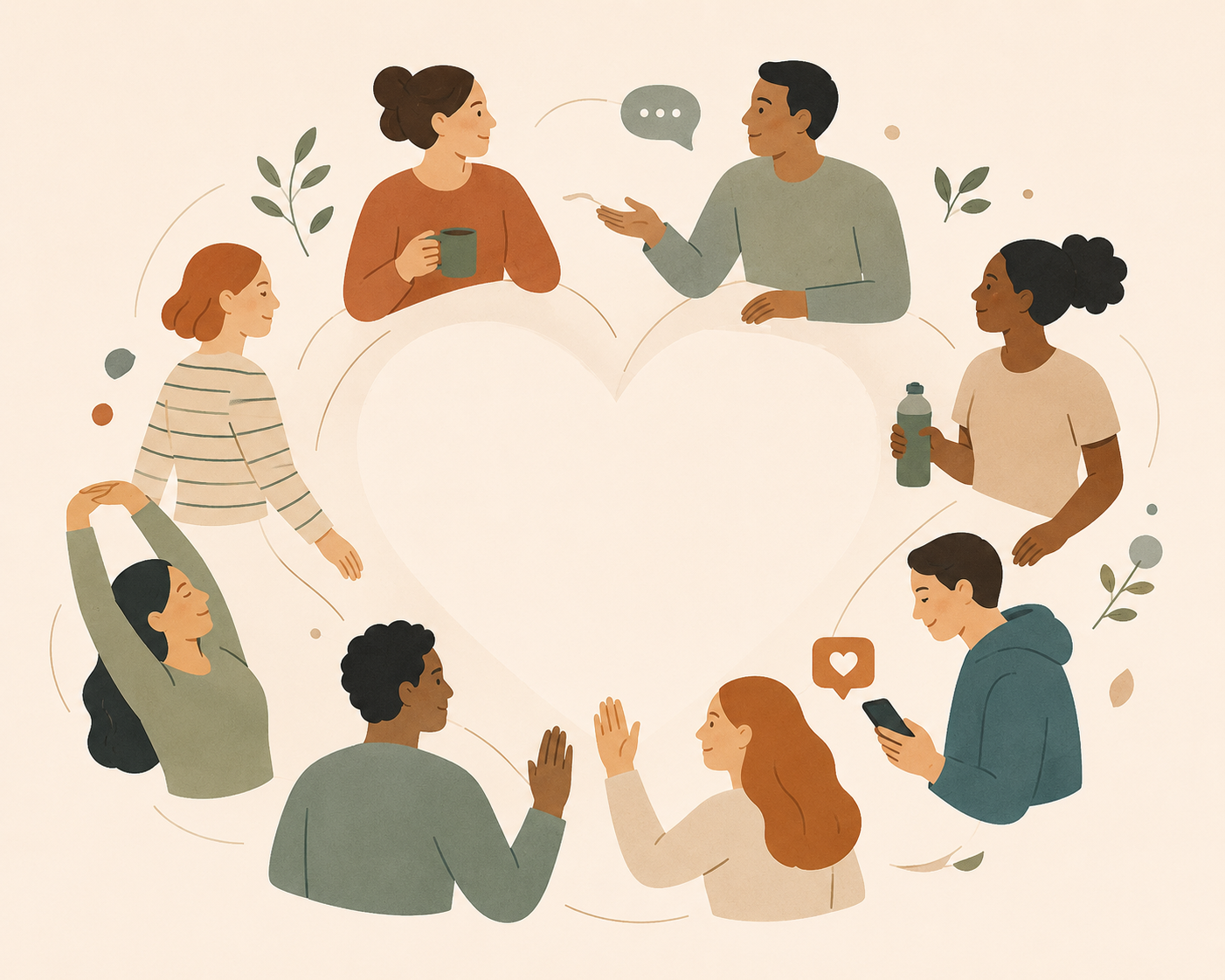
People need time to build new habits. They need opportunities to connect with one another. They need moments to recover from increasing cognitive demands. They need cultures that encourage curiosity instead of fear, experimentation instead of perfection, and resilience instead of exhaustion.
In other words, they need a human strategy.
That's where we believe the conversation needs to evolve.
For years, workplace wellbeing has often been viewed as a benefit—something separate from performance or innovation.
We think that's becoming outdated.
As technology accelerates, the human capabilities that drive great work become even more valuable. Focus. Adaptability. Connection. Emotional resilience. Healthy routines. Trust.
These shouldn't be written off as merely "soft skills."
They're the infrastructure that allows organizations to make the most of their technology investments.
The companies that thrive in the AI era won't simply deploy the best tools. They'll build cultures that help people use those tools well.
We help organizations strengthen the human side of transformation through simple, science-backed daily practices that fit naturally into the workday. Small moments that help employees recover, connect, learn, and build healthier habits together.