
Have you ever become a regular somewhere? A gym, a coffee shop, a hair salon?
You know you're a regular when you walk in and they ask, "The usual?" It feels a bit like walking onto the set of Cheers. But there's no magic to it. You established a pattern, and someone paid attention.
That idea matters more than it might seem for the programs organizations run to support their people.
Why context matters now
AI is changing the pace and demands of work. Teams are being asked to adapt faster, absorb more information, and sustain focus and energy through constant change.
Organizations invest in programs to help, but many of those programs treat people the same way on day 300 as on day one. Generic support is easy to ignore, and support that gets ignored can't help anyone perform or thrive.
Personalization gets better with history
Most personalization starts with a snapshot: an assessment, a few selected interests, or a stated goal. That's useful, but it captures one moment in time.
People are more complicated than their intake forms. What someone plans to do isn't always what she ends up doing. Some activities resonate and others fall flat. Schedules change, and preferences emerge through participation.
An ongoing program has the chance to learn those things.
A small example
We saw this recently with a long-term client.
A few participants received a "Nutrition Genie" themed Boost, one of the short, text-based micro-breaks at the heart of AdaRose. The premise was simple: wave a magic wand and ask one question you'd genuinely like answered.
One participant asked for a personalized meal plan for her week. So we made one for her, and for a coworker who wanted one too.
Anyone can ask a chatbot for a meal plan, and they'll get something generic. These two didn't have to start from scratch. Over months of participation, they had shared what their households actually eat, how their workdays were structured, even their favorite treats. Our team, including a nutritionist, used that history and AI to build plans that fit their actual lives.
Same request, very different answer. Better, right?
Regulars build community
There's a second part to being a regular. You're known by the people behind the counter, and you also start to know the other regulars.
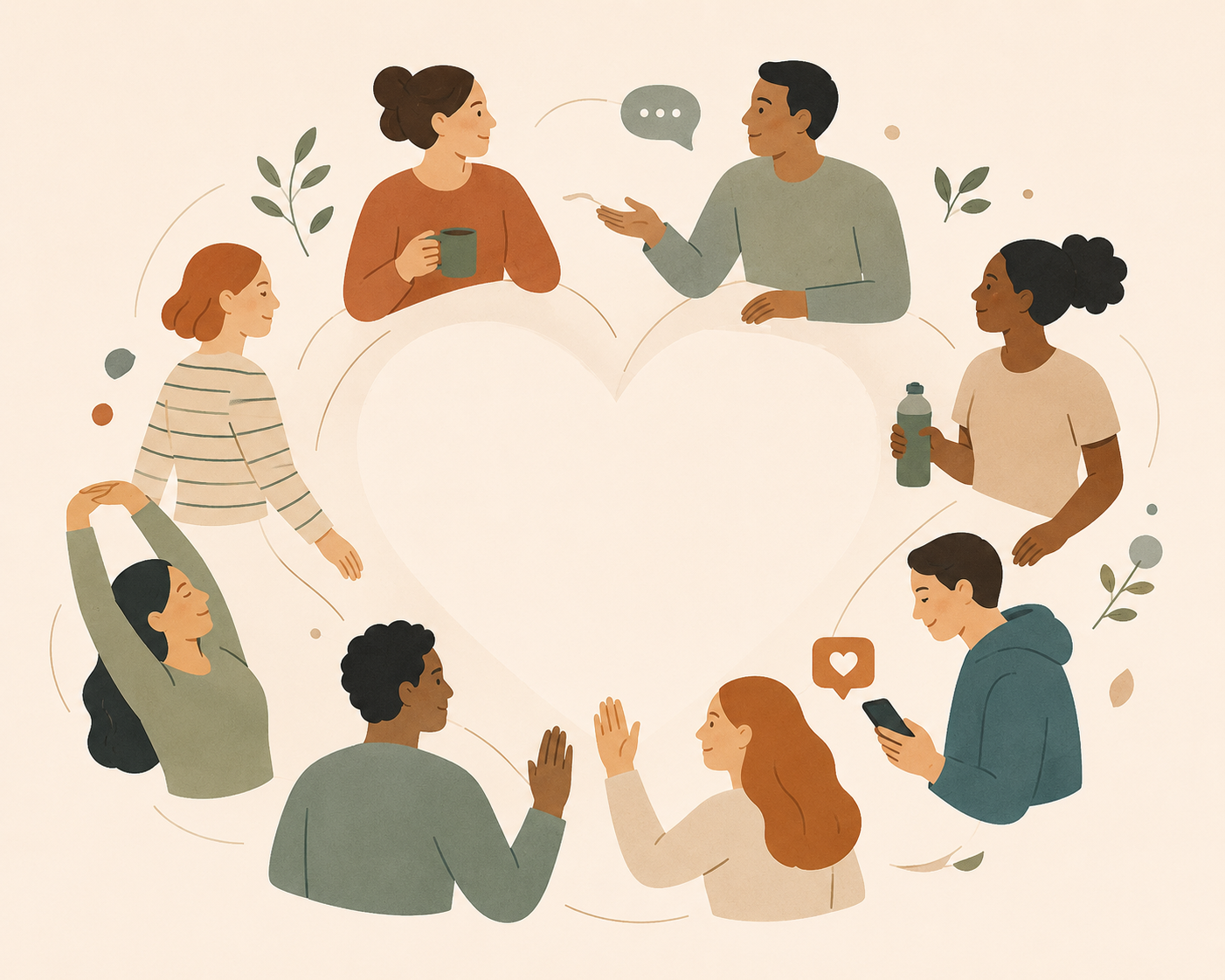
That's why connection is built into AdaRose rather than added on. Teammates participate together, share what's working, and encourage each other. In a recent AdaRose program, 88% of participants said they felt more connected to their team.
Over time, a program that knows each person also helps those people know each other. That kind of connection is easy to lose on distributed and hybrid teams.
Why this matters for performance
The Nutrition Genie meal plan was a fun moment. The bigger point is what made it interesting: sustained participation.
Relevance keeps people engaged, connection keeps them accountable to each other, and engagement over time is what makes lasting habits possible. Those habits support the focus, energy, and resilience that teams need as work keeps changing.
An ongoing program shouldn't just be about content. It should become more relevant, and create more connection, the longer people spend with it.
By December, an employee shouldn't still be a stranger to a program they joined in January.
They should be a regular.
If you're thinking about how to help your team sustain performance through AI-driven change, we'd love to talk.