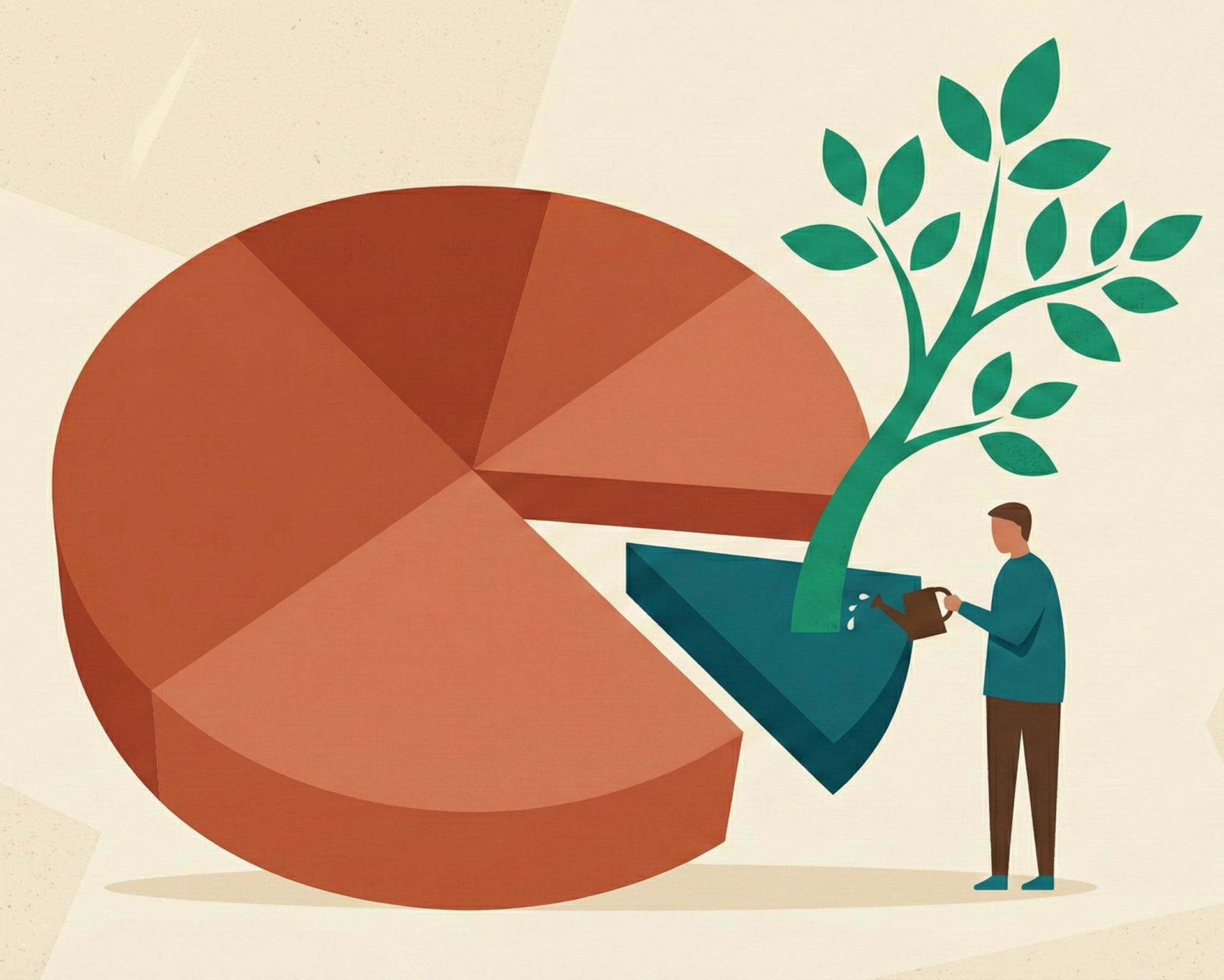

The biggest challenge in workplace wellbeing isn't getting employees to care about their health. It's creating experiences worth coming back to.
Most workplace wellbeing programs don't have a health content or data problem; they have an engagement problem.
Employers invest in apps, webinars, fitness benefits, and digital resources. Employees are encouraged to exercise more, manage stress, and build healthier habits.
Then work gets busy and participation drops.
That's why engagement may be the most important metric of all. Before any wellbeing program can improve health, reduce stress, or strengthen culture, people have to choose to participate—and then choose to come back.
As part of our annual Well at Work program, employees at Amazon Web Services (AWS) participated in a three-week Movement Challenge focused on movement, stretching, hydration, and healthy micro-breaks.
The physical activities mattered. But what really interested us was something else.
Compared with a previous, similar challenge, active participation increased from 47% to 76%. Even more encouraging, 72% of participants had participated in an AdaRose challenge before.
These weren't first-time users exploring a new benefit. Most had already experienced the program—and chose to return.
Why? The participant feedback offered a clue. One employee wrote:
"As a relatively new person to Amazon, this helped me meet people and stay focused on work while remaining connected to my AdaRose team."
Another shared:
"Love the camaraderie of the program and the shared passion to stay healthy—physical, spiritual, and mental."
Notice what they didn't mention first: stretching, hydration, or step counts. They talked about each other.
By the end of the challenge, 75% of participants reported feeling more connected to their team.
That matters.
Organizations are grappling with hybrid work, organizational change, burnout, and loneliness. Healthy employees matter—and so do connected employees. The two are mutually-reinforcing. Yet most wellbeing programs are still designed as individual experiences.
Download the app. Watch the webinar. Track your activity. Complete the course. But lasting behavior change rarely happens alone.
People are more likely to stick with healthy habits when those habits become part of a shared experience—when coworkers encourage one another, celebrate progress, and build momentum together.
Organizations often evaluate wellbeing programs by outcomes: steps walked, minutes exercised, or resources accessed.
Those metrics are important. But participation may be the earliest indicator of success.
When employees voluntarily return, invite coworkers to join them, and create positive experiences around healthy habits, they're doing more than engaging with a wellbeing program.
They're strengthening relationships, building trust, and shaping culture.
Our most recent experience at AWS reinforced something we've observed across many organizations: People don't need more wellbeing content, they need more reasons to do healthy things together.
Because the strongest predictor of sustained engagement and the resulting health benefits may not be the activity itself.
It's belonging.